Three years of leadership training. One powerful act of service. 147 children whose futures just got brighter.

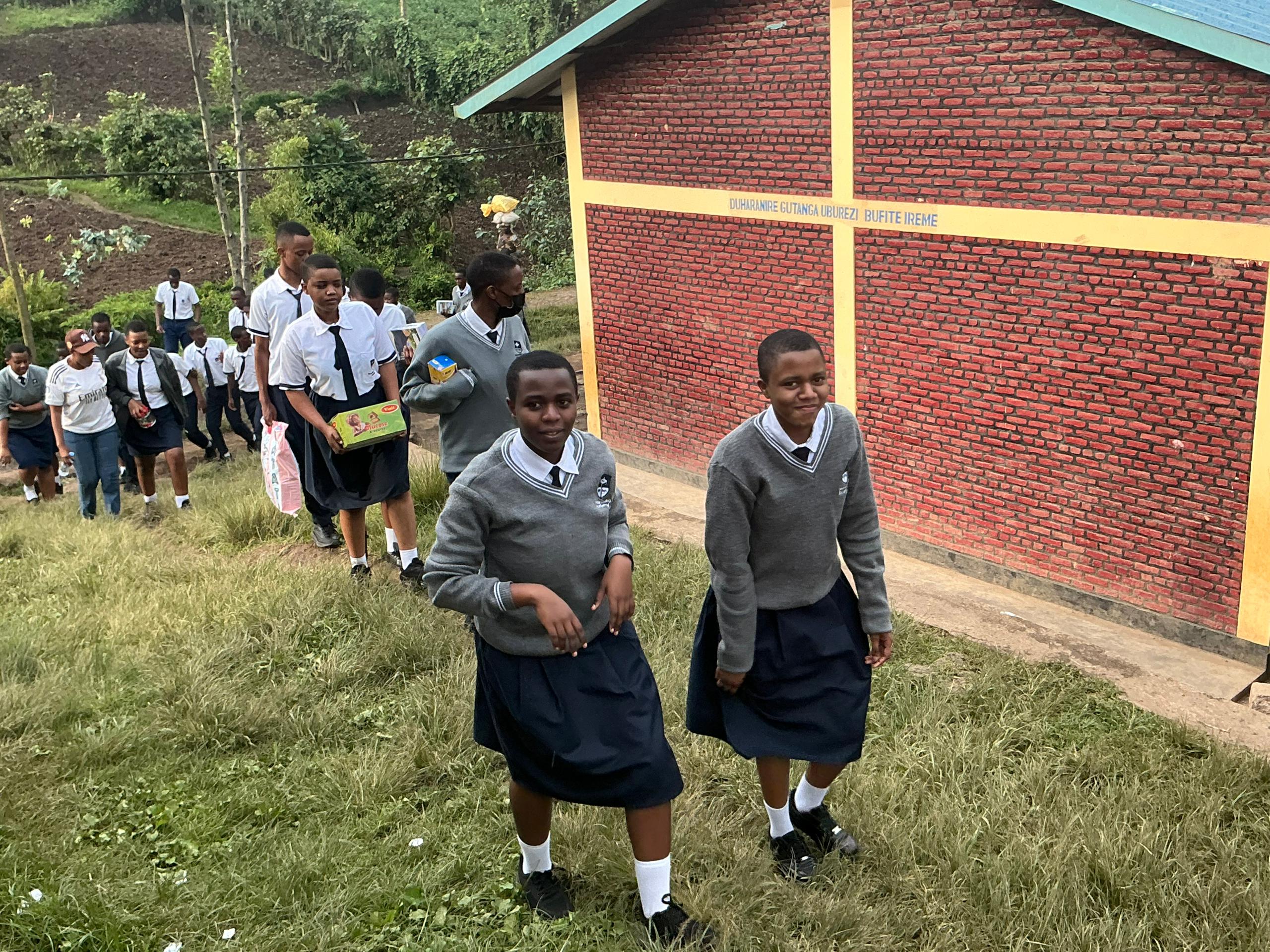
Students at Groupe Scolaire Nanga received the assistance with excitement
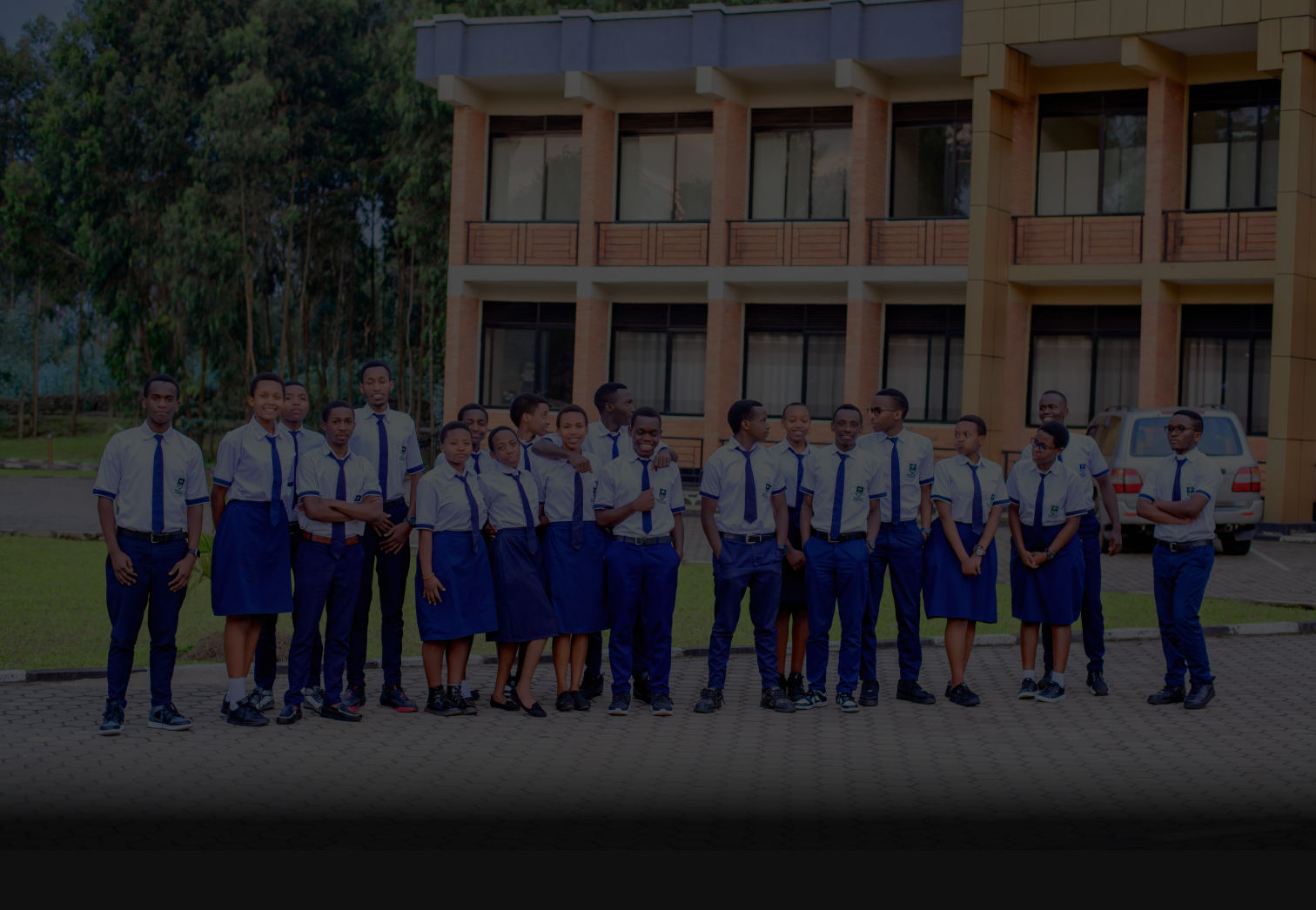
Some moments define what education is truly for. On Wednesday, 29 April 2026, one of those moments unfolded in the school yard of GS Nanga not with speeches from dignitaries or ribbons cut by officials, but with 147 children raising their arms in the air, clutching notebooks and pens, their faces lit with something that no exam score can measure: hope. The students who put those smiles there were not aid workers or NGO volunteers. They were fellow students, young leaders from Rwanda Coding Academy's iLead Program, who chose to turn three years of leadership development into something real, something lasting, and something that will echo far beyond their own school gates.
The RCA iLead Initiative did not begin with a donation drive. It began with a question that the program asks every student who enters it: What kind of leader do you want to be? Over three years of intensive development in values like servant leadership, and community responsibility, RCA's iLead cohort found their answer not in theory, but in action. RCA's iLead identified 147 of the most vulnerable pupils at GS Nanga, children at genuine risk of dropping out due to hunger and lack of basic materials, and they committed to supporting them. Long before Wednesday's ceremony, the work had already begun. Since the previous academic year, iLead students have been contributing to the school's feeding programme and supplying pupils with essential learning materials. This was not a one-day gesture. It was a sustained investment in human potential.
At the handover event, RCA iLead students presented two bank deposit slips totaling 240,800 RWF. Funds allocated to cover school feeding costs for the second and third terms of the current academic year. Every one of the 147 supported pupils also received notebooks and pens: small tools, but ones that carry an outsized significance for children who might otherwise arrive to school with empty hands. These are not abstract statistics. They represent meals served on mornings when a child might otherwise have sat hungry, unable to concentrate. They represent attendance registers with more names ticked. They represent a generation of children who are still in school because someone decided they were worth investing in.
Rev. Munyaneza Marcel, Head Teacher of GS Nanga, understands the impact this support has made. Visibly moved at the event, he spoke with quiet conviction about the transformation he has witnessed among his pupils. He confirmed that the feeding programme has led to measurable improvements in both attendance and academic performance among the 147 beneficiaries. “Hunger”, he noted, “is one of the most silent and destructive barriers to learning. Now children come to school, they engage, and they grow”. He extended deep gratitude to the iLead students, their representatives, and their sponsor, describing the initiative as a living demonstration of what leadership looks like when it is rooted in compassion rather than ambition.
At the ceremony, programme representatives Joyce, Nicodemus, and Prince addressed their fellow iLead students with a challenge as much as a commendation: “do not let this be a moment, let it be a movement”. They praised the cohort for embodying what transformational leadership looks like in practice, not performing service, but living it, and called on every iLead student to carry this commitment forward with even greater depth and intentionality. iLead Sponsor Mr. Benon echoed that charge, speaking directly to the pupils of GS Nanga, urging them to seize every opportunity before them and pursue their education with purpose. To the iLead team, he offered a reminder that has become the quiet heartbeat of the entire initiative: that true leadership is not measured by personal achievement, but by how profoundly it uplifts the lives of others.
What happened at GS Nanga on 29 April 2026 was more than a handover ceremony. It was evidence — concrete, human, and undeniable that character education, when done with depth and intention, produces not just high achievers, but community builders. The RCA iLead Initiative will continue its work at GS Nanga, supporting learning conditions and academic performance in the terms ahead. But its greatest achievement may already be visible: in the young leaders who chose to act, and in the 147 children who are still in school because they did. The best leaders do not wait for a platform. They find a need, and they meet it — and RCA's iLead cohort just showed exactly how that is done.