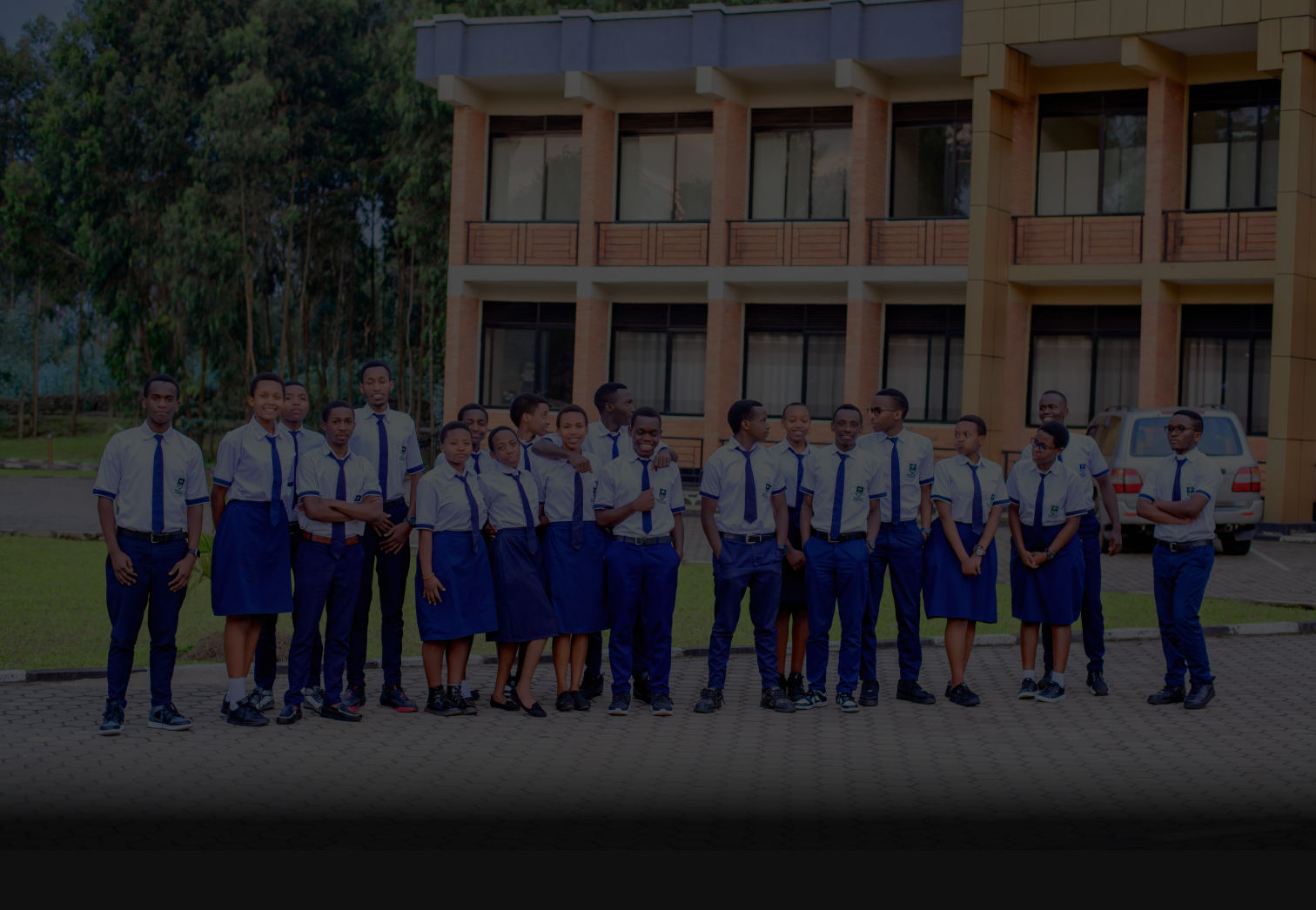
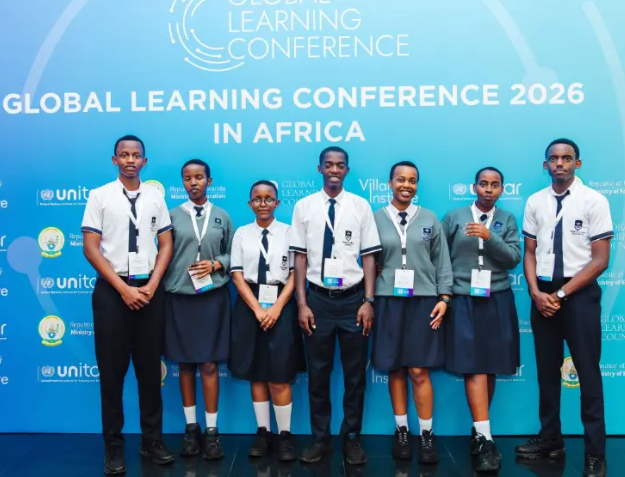
On the afternoon of the National AI Ideathon grand finale, the exhibition hall fell quiet as the judges finalized their scoring. The air inside the venue was thick with anticipation—the kind of intense, hard-earned focus that reminds you that technological breakthroughs carry a weight that raw theory struggles to hold. This victory was Rwanda's clear declaration that its future generation is ready to lead the continent's artificial intelligence landscape, with Rwanda Coding Academy (RCA) claiming the ultimate crown and proving that the future of African innovation resides securely within its walls.
Before stepping onto the national stage, these student-competitors spent weeks navigating the intricate mechanics of machine learning algorithms and hardware integration. Organized alongside the FIRST LEGO League, the national competition pitted the country's brightest young minds against complex, real-world ecological and sustainability challenges. The students dissected flawed resource management systems, engineered predictive AI models, and developed adaptive software architectures from scratch. They observed that modern sustainability issues do not arrive with simple solutions, but require deep, deliberate data analysis and technical execution. Overcoming these hurdles piece by piece was its own masterclass in digital resilience.
The academy's specialized laboratories, normally spaces dedicated to core full-stack software pipelines, had transformed into elite tactical research centers for the competition. In the days leading up to the final project presentations, rows of monitors glowed late into the night, displaying training models, sensor data streams, and interface mockups. Teams of students worked continuously, building prototypes aimed at critical environmental targets. Peer mentors guided younger cohorts, and brilliant young minds collaborated over complex problem statements, believing their preparation would carry them through. The physical space held an palpable gravity; lines of code on whiteboards, scattered technical schematics, and prototype components remained untouched throughout the final push. They were left as an active testament to a battle fought purely with intellect and persistence.
In the development rows, two distinct disciplines sat side by side: the clean, structural standards of programmatic backend architecture and the fluid, adaptive capabilities of modern artificial intelligence. It was a remarkable sight to witness secondary school students operating at such an advanced capacity. They demonstrated an innate understanding that building impactful AI requires an intimate, hands-on knowledge of the real-world environments the software is meant to serve.
The primary sandbox environment, where the pioneering project Aquaflow was developed by the students, became the epicenter of their victory. There is something about that particular achievement that stands out—that even the most complex AI-driven water sustainability and management matrices offered no permanent barrier to their logic. By securing the coveted 1st Place trophy with Aquaflow, alongside a brilliant 3rd Place finish with project Ecoloop, RCA systematically out-calculated rival responses to dominate the national podium.
The intense tournament concluded with an official review from the national evaluation panel, leaving the leaderboard definitively marked by the academy's colors. The academic community gathered to recognize the achievement, understanding that this victory represents far more than trophies or scoreboards. A generation born into a rapidly transforming, digitized nation had stood before a highly competitive national arena and firmly claimed its leadership. Rwanda Coding Academy was built to drive the continent's digital sovereignty, and on this day, its students proved that the future of African technology is being written by their hands.