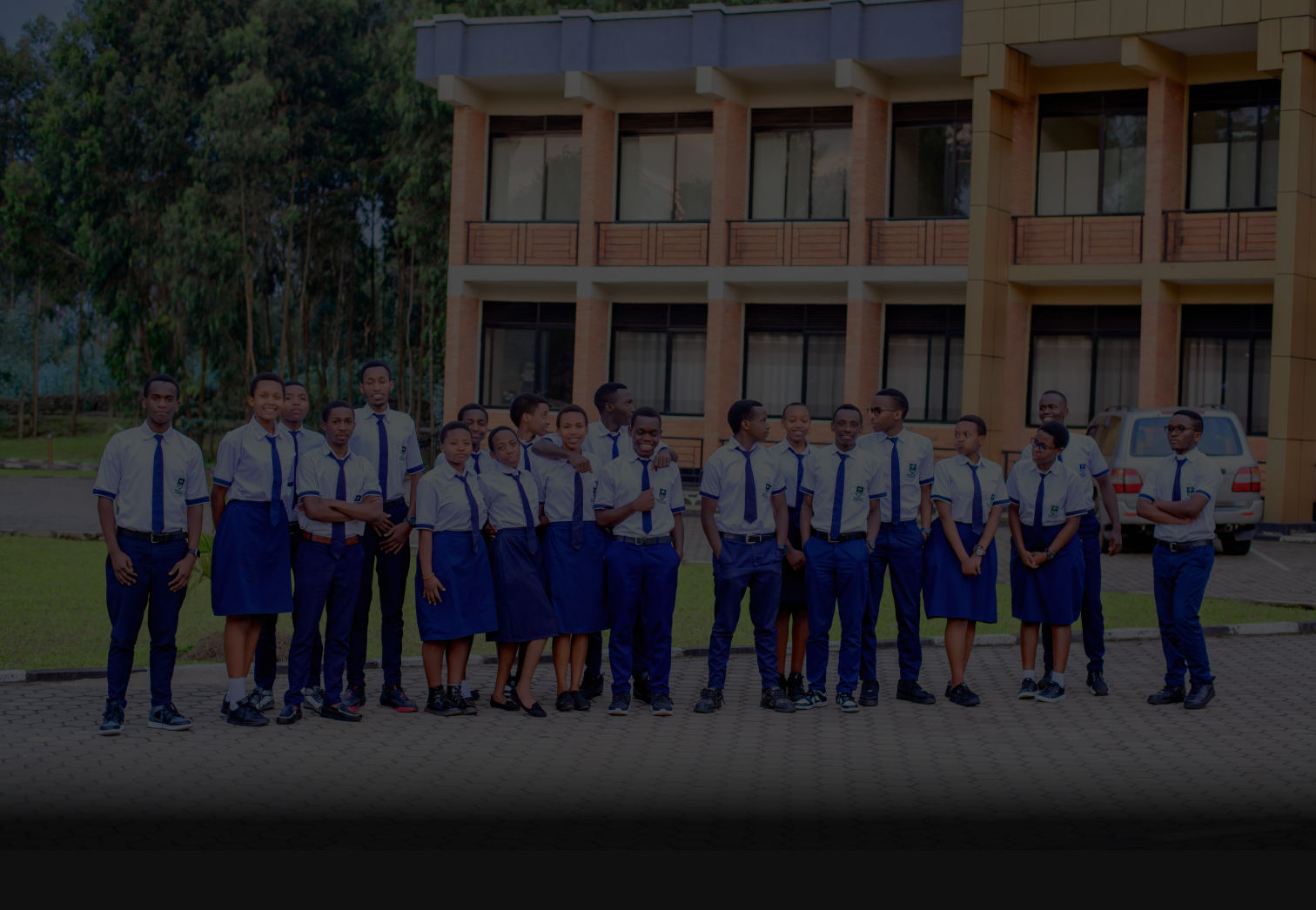
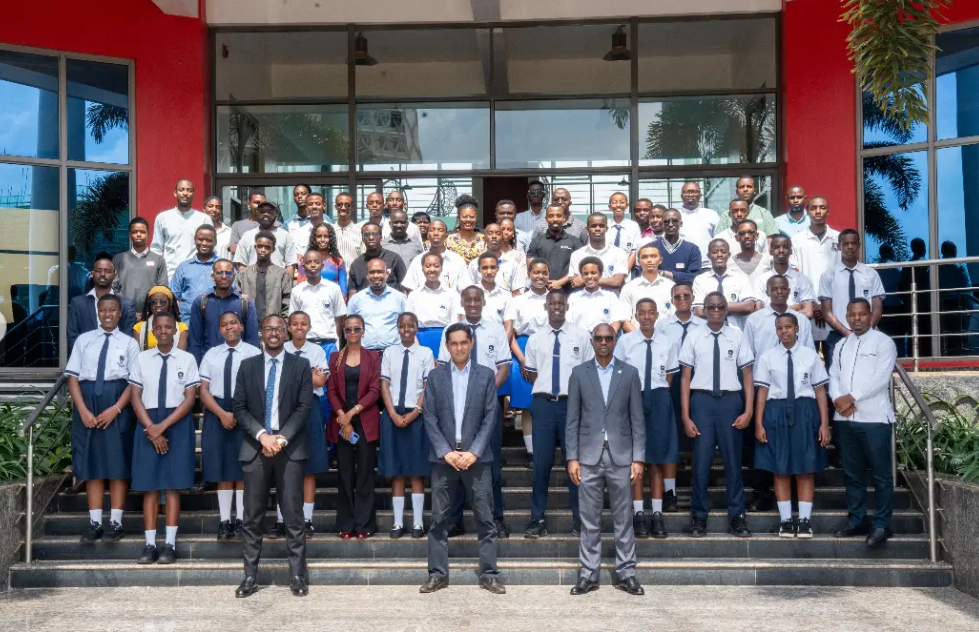
On the afternoon of March 19, 2026, the digital battlegrounds of the annual picoCTF-Africa competition fell silent as the final servers closed at 4:00 PM. The air inside the advanced computing laboratories at the Rwanda Coding Academy was thick with anticipation—the kind of intense, hard-earned focus that reminds you that intellectual triumphs carry a weight that raw statistics struggle to hold. This victory was Rwanda's clear declaration that its future generation is ready to lead the continent's cybersecurity landscape, claiming top honors, and carrying the responsibility of securing our shared digital future.
Before standard school infrastructure awoke to normal routines, these student-competitors had spent ten intensive days navigating the intricate matrix of the virtual hacking tournament. Designed by cybersecurity experts at Carnegie Mellon University, the platform pitted Africa's brightest young minds against complex, real-world vulnerabilities. They learned how systems are compromised through flawed encryption frameworks, exploited web applications, and hidden digital forensics artifacts. They observed how code vulnerabilities do not arrive by chance but are created through tiny oversight oversights cultivated during software development. Dismantling these flaws piece by piece was its own masterclass in digital resilience.
The main computer laboratory, normally a space dedicated to standard development pipelines, became an elite tactical operations center. In the days following the launch of the global terminal, as lines of code flew across screens, teams of students worked continuously. They came because hard work had proven effective before. They came with custom scripts, Linux configurations, and reference manuals, carrying not just their workstations but their high expectations. Peer mentors guided younger cohorts. Brilliant young minds collaborated over complicated problems believing their preparation would carry them through. By the final hours, RCA squads had solved hundreds of complex challenges, capturing flags that had stopped other institutions completely. The command line history is still on the monitors. The notes, code blocks, and diagrams are still on the whiteboards. Nobody erased them. Nobody should.
In the server rows, two distinct disciplines sat side by side: the clean, structural standards of programmatic logic and the deep, adversarial thinking required to find underlying flaws. It was remarkable to watch them operate and feel the impact of that synchronization. Students came to build software and learned how to defend it from malicious exploitation.
The primary sandbox environment, where experimental tools were tested by the students, became the epicenter of their victory. There is something about that particular achievement that stands out—that even the most complex binary exploitation matrices offered no permanent barrier to their logic.
And then there is the cryptography team. It was the hardest point of the challenge. Young students broke cryptographic schemes in ways that felt nearly impossible, and yet had to be done, because stopping short of the answer meant losing ground on the continental leaderboard. The terminal outputs are still saved. Students solved them alongside their peers. Brilliant strategies were designed and executed. The laboratory rooms are quiet now, but they hold the memory of that intense focus.
The tournament ended at the final leaderboard validation, where the top RCA teams secured the entire podium, finishing 1st, 2nd, and 3rd across Africa. The system displayed the scores. The academy celebrated. It was an extraordinary moment and a natural step at the same time. A generation that is actively building Rwanda's future, standing at the absolute top of their field, choosing to excel.
Rwanda Coding Academy was built to shape Rwanda's future. But on this day, its students proved that the future must always be built on the foundation of an honest, rigorous, and unflinching pursuit of technical mastery. The teams who took the top spots at picoCTF were innovators, problem solvers, future leaders. They earned their victory. Recognizing them is the least and the most we can do.