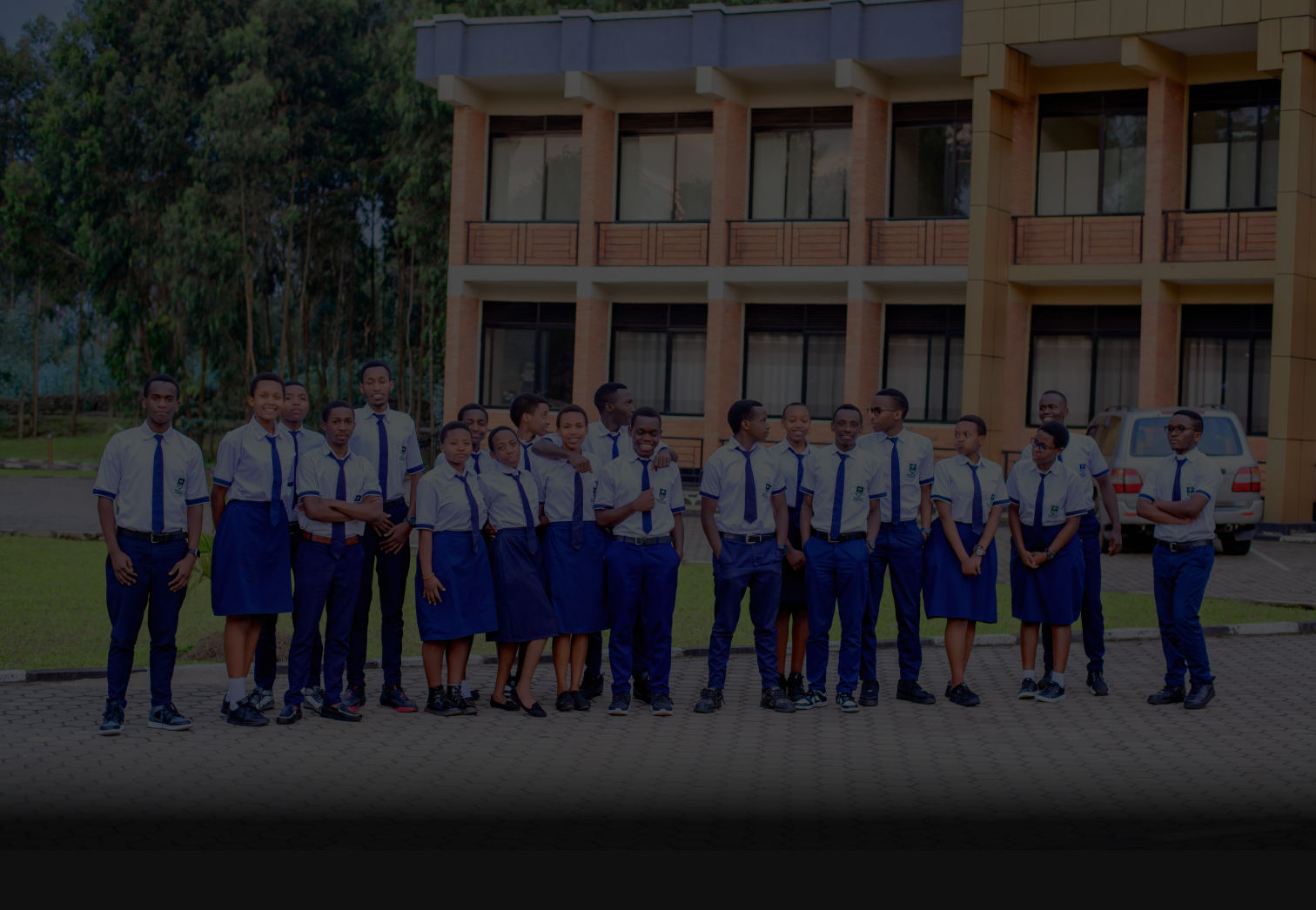
On the morning of May 8, 2026, students and staff from the Rwanda Coding Academy, joined by a representative from MINUBUMWE, the Ministry of National Unity and Civic Engagement, made their way to the Ntarama Genocide Memorial Site in Bugesera District, Eastern Province. They arrived at 10:00 AM. The air was still. The kind of stillness that reminds you that some places carry a weight that words struggle to hold. This visit was Rwanda's quiet insistence that its future generation look history in the eye, understand how it happened, and carry the responsibility of ensuring it never does again.
Before walking the grounds, the students sat with a MINUBUMWE representative for an hour-long discussion on the roots of genocide ideology. They learned how ordinary people were turned against their neighbours through radio broadcasts, newspapers, and whispered lies. How Tutsi were stripped of their humanity in language before they were stripped of their lives. How the hatred did not arrive overnight but was carefully, deliberately cultivated over years. Listening to it laid out so plainly was its own kind of grief.
Ntarama Catholic Church should have been a place of safety. In the days following the assassination of President Juvénal Habyarimana on April 6, 1994, as violence tore through Rwanda, thousands of Tutsi from the surrounding area made their way to the church. They came because churches had protected people before. They came with schoolbooks, clothing, and documents, carrying not just their belongings but their hope. Mothers held their children. Elderly men and women walked through the doors believing they would be protected. On April 15, 1994, Interahamwe militias and soldiers under the command of François Karera surrounded the compound and killed approximately 5,000 people in a single day. The bullet holes are still in the walls. The belongings, shoes, clothing, schoolbooks, are still there. Nobody moved them. Nobody should.
In the sacristy, two kinds of books sit side by side: the religious texts of the church and the personal books brought by those who came seeking refuge. It is difficult to look at them and not feel the weight of that betrayal. People came to God's house and were not kept safe.
The kitchen, where meals were once prepared for the community, became a place where people were killed. There is something about that particular detail that is hard to shake, that even the most ordinary, caring spaces offered no protection.
And then there is the Sunday school building. It is the hardest place to stand. Young children were killed here in ways that should never have to be described and yet must be, because forgetting them would be its own injustice. The marks on the walls are still there. Mothers died here with their children. Young women and girls were violated and murdered. The building is quiet now, but it holds everything.
The tour ended at the burial site, where the approximately 5,000 victims rest. The guide spoke names. The students placed flowers. It was a small thing and an enormous thing at the same time. A generation that was not yet born when this happened, standing in the place where it did, choosing to remember.
Rwanda Coding Academy was built to shape Rwanda's future. But on this day, its students were reminded that the future must always be built on the foundation of an honest, heartbroken, unflinching memory of the past. The 5,000 people who died at Ntarama were teachers, farmers, mothers, children. They deserved to live. Remembering them is the least and the most we can do.
Twibuke Twiyubaka